Grinding your teeth while you sleep, also known as sleep bruxism, is a common but often unnoticed issue. Many people don’t even realize they are grinding their teeth until they experience painful symptoms, such as jaw or tooth pain. This condition can cause discomfort, damage teeth, and even disrupt sleep. Suppose you’re looking for ways to stop grinding teeth in sleep naturally. In that case, this blog will provide useful tips to help you manage and alleviate the problem without relying on prescription medication or invasive treatments.
What Is Teeth Grinding?
Teeth grinding, or bruxism, is a condition in which you grind or clench your upper and lower teeth together, often during sleep. This action can happen unconsciously and can be a result of several factors, such as stress, sleep disorders, or even misalignment of the top and bottom teeth. The result is often jaw clenching, which can lead to soreness in your jaw muscles and facial muscles and symptoms like headaches, neck pain, and even tooth damage.
There are two main types of bruxism: nocturnal bruxism, which occurs while you sleep, and diurnal bruxism, which happens during the day. In this blog, we’ll focus on sleep bruxism, as it’s one of the most common causes of grinding your teeth while asleep.
Why Do People Grind Their Teeth?
Teeth grinding can occur for several reasons, including stress, anxiety, and sleep disorders. Other common causes of teeth grinding include:
- Stress and Anxiety: When stressed, your body can react physically. This can lead to tension in your jaw muscles, causing you to clench your teeth or grind them together.
- Sleep Disorders: Conditions such as sleep apnea or sleep-related movement disorder can increase the likelihood of bruxism. If breathing is disrupted during sleep, jaw clenching can occur as the body tries to adjust to the lack of oxygen.
- Misaligned Teeth: If your upper or lower teeth are not aligned correctly, you might subconsciously grind your teeth to compensate for the discomfort caused by the misalignment.
- Medications: Certain medications can cause bruxism as a side effect. If you suspect your teeth grinding is related to a medication, consult your healthcare provider for advice.
- Lifestyle Factors: Consuming hard foods or caffeine, smoking, or drinking alcohol can all contribute to grinding your teeth.
Signs and Symptoms of Teeth Grinding
If you suspect teeth grinding, it’s important to recognise the signs and symptoms early, as they can help you seek timely teeth grinding treatment to prevent further damage and discomfort. Chronic teeth grinding, also known as bruxism, is often subtle at first, but over time, the effects can become more noticeable and troublesome. Here’s what to look for:
1. Sore Jaw and Jaw Pain
One of the most common symptoms of chronic teeth grinding is jaw pain. You might experience discomfort in your jaw muscles after waking up, which can last throughout the day. The constant grinding and clenching of your upper and lower teeth strain the jaw muscles, causing soreness, tenderness, and sometimes even difficulty opening or closing your mouth. If you experience a sore jaw in the morning, it could be a sign that you must treat bruxism before the pain worsens.
2. Tooth Sensitivity and Tooth Pain
As teeth grinding continues over time, it can wear down your tooth enamel and lead to increased tooth sensitivity. You may feel sharp pain when eating hot, cold, or sweet foods or brushing your teeth. The repetitive pressure from grinding teeth can also cause tooth damage, such as cracks, chips, or worn-down edges. If you’re experiencing tooth pain and other symptoms, it’s a sign that it’s time to seek teeth-grinding treatment from Dr Jack Bella Vista Dentist to prevent further damage.
3. Headaches
Many people who suffer from bruxism also experience frequent headaches, especially upon waking. These headaches are often tension-based and result from the stress and strain on the jaw and facial muscles during the night. They can feel like tension headaches or migraines and can be quite debilitating. If you’re experiencing regular headaches in combination with other signs of chronic teeth grinding, addressing the root cause of the issue is essential to finding relief.
4. Worn or Chipped Teeth
Over time, chronic teeth grinding can lead to noticeable wear on your teeth. If your teeth appear flattened, shorter, or chipped, it may be because you’ve been unconsciously grinding them during sleep. In severe cases, tooth grinding can lead to the loosening of teeth. This is a serious consequence of bruxism and often requires professional intervention to prevent further deterioration. A dentist can help assess the damage and recommend ways to treat bruxism and stop the progression of tooth wear.
5. Tight or Sore Muscles in the Face or Neck
 When you’re grinding your teeth, you’re clenching your jaw tightly, which can lead to tension in the facial muscles. This can extend down to your neck muscles, leading to neck pain and discomfort. People with chronic teeth grinding often experience soreness in the jaw, face, or neck, especially when they wake up in the morning. This tightness results from the ongoing strain placed on the muscles from unconscious grinding, and it’s another clear indication that treatment is necessary.
6. Sleep Disturbances and Trouble Falling Asleep
Teeth grinding can interfere with sleep quality and contribute to sleep-related problems, including difficulty falling asleep. The grinding may lead to sleep apnea, a condition where breathing is repeatedly interrupted during sleep. If you wake up feeling unrested or notice disruptions in your sleep pattern, it’s important to address the issue of sleep-related disorders. Using a mouth guard and seeking professional help can aid in reducing the effects of sleep bruxism.
7. Sounds of Grinding Teeth
While it may not be something you can feel, teeth grinding often produces a distinct sound that a partner or family member can hear. The grinding may sound like a harsh, rhythmic noise, which can be a clear indicator that you’re experiencing bruxism. If others notice this sound, it could indicate that you must treat bruxism to prevent damage to your teeth and jaw muscles.
8. Tight or Painful Jaw Movements
Another sign of teeth grinding is the inability to move your jaw freely without discomfort. People who grind their teeth may find it difficult to chew, speak, or move their jaw without feeling pain or tightness. This can result from the constant strain on the jaw muscles caused by grinding your teeth during sleep. If this is a regular issue, you should consult a dentist in Castle Hill for a proper diagnosis and teeth-grinding treatment.
9. Temporomandibular Joint (TMJ) Disorders
Temporomandibular joint disorders, or TMJ disorders, are another possible consequence of teeth grinding. These disorders can cause significant pain and discomfort in the jaw, face, and neck, and they may also lead to difficulty chewing, jaw locking, or clicking sounds when moving the jaw. If you experience symptoms of TMJ disorders, it’s crucial to address the underlying cause, which could be bruxism, to prevent long-term damage and pain.
How to Address the Symptoms of Teeth Grinding
If you notice any of the above symptoms, it’s essential to seek help for chronic teeth grinding early to prevent further complications. Teeth grinding treatment can involve a range of approaches, from wearing a mouth guard to reducing stress and tension. Other treatments may include physical therapy, jaw exercises, and lifestyle changes such as improving sleep hygiene and managing anxiety.
By addressing the symptoms of teeth grinding as soon as they appear, you can prevent serious damage to your teeth, jaw muscles, and overall health. Your dentist or healthcare provider can help guide you through the best treatment options to stop grinding your teeth and restore comfort to your jaw and teeth.
How to Stop Grinding Teeth in Sleep Naturally
While various factors can cause teeth grinding, there are natural ways to address the problem and find relief. Here are some simple and effective tips on how to stop grinding teeth in sleep naturally.
1. Manage Stress with Relaxation Techniques
Since stress is one of the leading causes of bruxism, reducing your stress levels can significantly help stop teeth grinding. Consider practicing stress reduction techniques such as:
- Meditation: Taking a few minutes before bed can help calm your mind, making it less likely that you’ll grind your teeth during sleep.
- Deep Breathing Exercises: Slow, deep breathing can help relax your body and jaw muscles.
- Progressive Muscle Relaxation: This technique involves tensing and relaxing various muscle groups to reduce tension, which can help alleviate jaw clenching.
2. Try Jaw Exercises
Jaw exercises are a natural and simple way to relieve sore jaw muscles and prevent grinding your teeth. A physical therapist can guide you in performing these exercises, which will help strengthen the jaw muscles and relax them to prevent clenching. If you notice tension in your facial muscles, try gently massaging the area or using a warm compress to soothe the muscles.
3. Use a Mouthguard
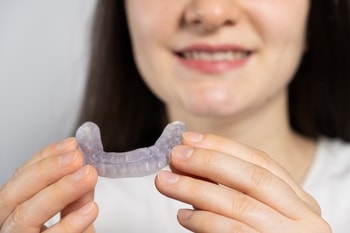
A mouth guard is one of the most effective ways to prevent teeth grinding during sleep. These dental appliances act as a cushion between your upper and lower teeth, helping to absorb the pressure from grinding. You can get a custom-fitted mouth guard from your dentist or purchase an over-the-counter option. Wearing a mouth guard can also protect your teeth from damage due to tooth grinding.
4. Drink Herbal Tea Before Bed
 Certain herbal teas are known for their calming properties and can help relax the mind and the body. Drinking herbal tea before bed can promote better sleep and help reduce the likelihood of bruxism. Some teas to consider include:
- Chamomile: Known for its calming effect, chamomile tea can help reduce anxiety and prepare your body for sleep.
- Lavender: Lavender tea is another great option for relaxation. It has been shown to help relieve stress and promote restful sleep.
- Peppermint: Peppermint tea helps with digestion, promotes relaxation, and reduces muscle tension.
5. Establish Better Sleep Hygiene
If you’re struggling with sleep disorders like sleep apnea or poor-quality sleep, it could be contributing to your teeth grinding. Improving your sleep hygiene can help promote a more restful night’s sleep. Here are some tips for better sleep hygiene:
- Set a consistent sleep schedule.
- Create a calming bedtime routine.
- Keep your bedroom dark, cool, and quiet.
- Avoid caffeine and heavy meals before bed.
6. Avoid Caffeine and Alcohol
Both caffeine and alcohol can increase the likelihood of teeth grinding. Caffeine is a stimulant that can make your body tense, while alcohol can relax your muscles, leading to jaw clenching during the night. Avoid consuming these substances, especially in the hours leading up to bedtime.
Conclusion
Teeth grinding can be challenging, but with the right approach, you can find relief and prevent damage to your teeth. By following the tips on how to stop grinding teeth in sleep naturally, such as practicing stress reduction, improving your sleep hygiene, and using a mouth guard, you can significantly reduce the frequency and intensity of bruxism. If your symptoms persist or worsen, seeking advice from a healthcare provider to explore further treatment options is essential.
References
https://www.healthline.com/health/how-to-stop-grinding-teeth
https://www.webmd.com/oral-health/teeth-grinding-bruxism
https://www.mayoclinic.org/diseases-conditions/bruxism/diagnosis-treatment/drc-20356100