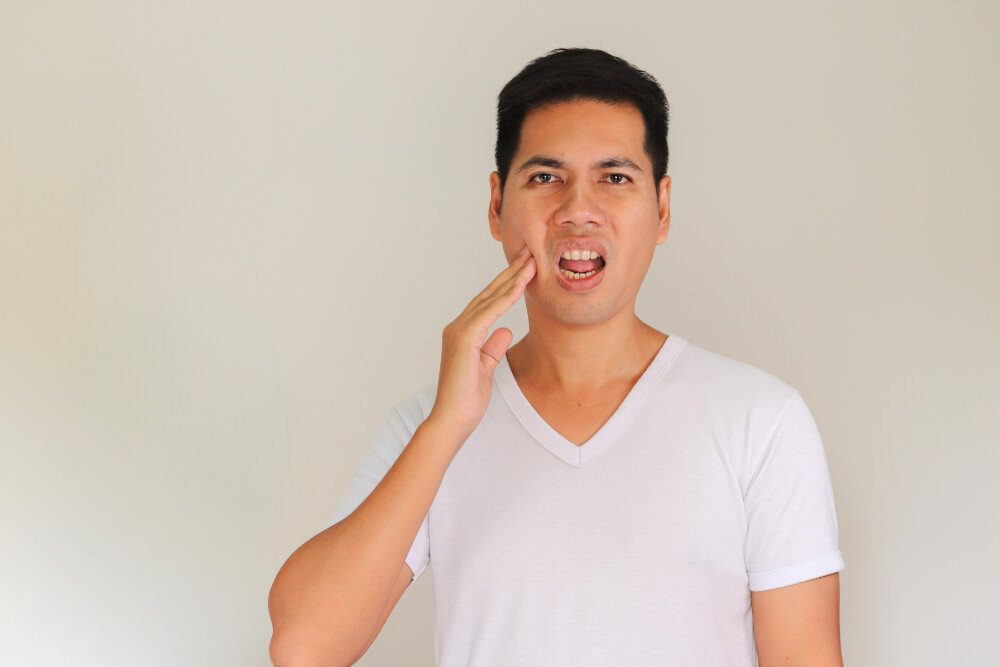
Are you constantly waking up with a sore lower jaw or headaches? Botox for teeth grinding might be the solution you’ve been searching for. This innovative treatment taps into the potential of Botox to alleviate the symptoms of bruxism, offering a unique approach to a common problem. Dive into the details of how Botox can help and what you can expect from this treatment, and discover if it’s the right choice for your needs. Stay tuned to learn more about transforming your nights—and days—with this intriguing option.
Exploring Botox as a Solution for Teeth Grinding
Botox for teeth grinding utilizes targeted injections into the muscles involved in bruxism, particularly the muscle masseter and temporal muscles, offering both symptom relief and aesthetic benefits.
Specific Muscle Targeting
Botox is precisely injected into the masseter muscle and, if necessary, the temporalis muscles. These injections inhibit excessive muscle contractions, leading to jaw clenching and teeth grinding. This specificity helps ensure that the treatment directly addresses the source of the problem.
Rapid Onset of Benefits
The effects of Botox injections are typically noticeable within the first one to two weeks following treatment. Patients often report a marked reduction in symptoms such as jaw pain, facial pain, and the physical act of grinding their teeth, which significantly improves their daily comfort and sleep quality.
Cosmetic Improvement
One of the benefits of Botox injections for teeth grinding is the potential reduction in masseter muscle size, which can lead to a less square and more aesthetically pleasing jawline. Over time, this can alter the lower facial contour in a way that many patients find desirable. Those interested in enhancing their overall appearance might also explore services offered at a breast implant clinic to complement their facial aesthetic goals.
Sustained Symptom Management
Although Botox’s effects are temporary, lasting typically between three and six months, the treatment can be repeated. Many patients find that regular maintenance sessions help to provide ongoing relief from bruxism, thereby significantly improving their quality of life.
Botox offers a dual benefit for those suffering from teeth grinding by providing substantial relief from the discomfort of bruxism and enhancing facial aesthetics. This treatment is an effective, safe, and minimally invasive option that can transform the daily lives of individuals affected by this condition. Those interested should seek a consultation with a healthcare provider experienced in Botox treatments for bruxism to determine the appropriateness and potential benefits for their specific case.
Understanding Teeth Grinding: Causes and Consequences
Teeth grinding, medically known as teeth clenching or bruxism, is a condition often overlooked until it results in more serious complications. Understanding this condition’s causes, symptoms, and consequences is vital for recognizing and managing it effectively.
Psychological and Physical Triggers
The causes of bruxism are diverse, ranging from psychological stress and anxiety to physical misalignments and sleep disorders. Stress and anxiety are particularly common triggers, causing individuals to subconsciously clench their jaw and grind their teeth, especially during sleep. Additionally, abnormal bite alignments or orthodontic issues can physically prompt teeth grinding.
Impact on Dental Health
Chronic teeth grinding exerts excessive force on the teeth and jaws, leading to various dental issues. These include worn-down tooth enamel, increased tooth sensitivity, and cracked or chipped teeth. Over time, the relentless pressure can also strain the jaw muscles and temporomandibular joint, leading to TMJ disorders.
Systemic Effects Beyond the Mouth
Beyond its immediate impact on dental health, bruxism can contribute to broader health issues. Chronic grinders often suffer from headaches, especially in the morning, facial pain, and earaches due to the constant tension and pressure. Over time, severe cases of bruxism can even affect posture and alignment as the body tries to compensate for the pain and dysfunction.
Sleep Disruptions
Teeth grinding is particularly disruptive during sleep, not only for the individual experiencing it but often also for their sleeping partners. The noise generated by grinding can be significant, potentially resulting in disrupted sleep patterns and insomnia.
The chronic pain and discomfort associated with teeth grinding can affect one’s mood and well-being, potentially leading to irritability or depression. Social interactions and daily activities can become strained due to the persistent pain and lack of restful sleep.
Understanding the complex nature of the clinical effects of teeth grinding is crucial for addressing its symptoms and underlying causes. With effective management strategies and treatments like Botox, individuals can alleviate the negative effects of bruxism, enhancing their dental health and overall quality of life. It’s essential for those experiencing symptoms to consult with detists to develop a personalized treatment plan tailored to their specific needs.
How Botox Works to Alleviate Bruxism
Botox, a well-known brand name for botulinum toxin, has proven to be a successful treatment for various medical conditions, including bruxism. Here’s how Botox works to alleviate the symptoms of teeth grinding:
- Mechanism of Action: Botox functions by blocking nerve signals that are responsible for muscle contraction. Botox temporarily paralyzes these muscles when injected into specific muscles, such as the masseter muscle in the jaw. This reduction in muscle activity prevents the excessive clenching and grinding of the teeth that characterize bruxism.
- Targeted Muscle Relaxation: Botox injections in cases of bruxism target the masseter muscle, one of the main muscles used for chewing. By relaxing this muscle, Botox reduces its strength and ability to contract forcefully, which decreases the grinding action significantly without affecting the overall ability to chew and speak.
- Duration of Effect: Botox’s effects are not permanent. They typically last three to six months. Patients may notice a gradual return of muscle function and symptoms. Regular follow-up injections are necessary to sustain the therapeutic benefits.
- Clinical Results: Studies have shown that patients receiving Botox injections for bruxism experience a significant reduction in symptoms, including less frequent and less intense grinding, and a decrease in pain and discomfort associated with the condition. This relief can lead to better sleep quality and less overall stress.
- Additional Benefits: Apart from alleviating bruxism, Botox injections in the masseter muscle can also have aesthetic benefits. The injections can lead to a slimming effect on the lower face, as the relaxed muscles tend to atrophy slightly, resulting in a less square and more refined jawline.
Botox provides a powerful tool for managing bruxism, offering both functional relief and cosmetic improvement. By directly targeting the muscles responsible for grinding, Botox effectively reduces the frequency and intensity of this condition, helping patients achieve a higher quality of life. If you suffer from teeth grinding and other pain symptoms and are looking for a solution, consulting with a healthcare provider experienced in Botox treatments can determine if this approach is right for you.
The Procedure: What to Expect During Botox Treatment

Botox treatment for teeth grinding is a straightforward procedure that can significantly alleviate the discomfort associated with bruxism. Here’s what patients can anticipate during the treatment process:
- Initial Consultation: The first step is a consultation with a qualified healthcare provider experienced in administering Botox for bruxism. During this visit, the provider will assess your medical history and the severity of your teeth grinding and discuss any previous treatments you’ve tried. This evaluation helps determine the appropriate dosage and the specific muscles to target.
- Preparation: Before the injections, the target area may be cleaned, and a topical anesthetic or ice might be applied to minimize discomfort. The provider might also mark the injection sites on the skin.
- Injection Process: The injection process is quick, typically taking only a few minutes. Botox is administered directly into the masseter muscle, and potentially the temporalis, using a fine needle. Most patients experience only slight discomfort during the procedure, akin to a minor pinch or sting.
- Immediate Aftercare: Patients can usually return to their normal activities immediately after the injections. However, they are often advised to avoid rubbing or massaging the injected area, as this can cause the Botox to spread to adjacent muscles.
- Observation Period: Patients are usually monitored briefly after the injections to ensure there are no immediate reactions or complications, like allergic reactions or excessive swelling.
- Onset of Effects: While some patients might notice a reduction in muscle activity within a few days, the full effects of Botox typically become evident within one to two weeks after treatment.
- Duration of Effects and Follow-up: Botox’s effects on teeth grinding last approximately three to six months. As the effects wear off, muscle activity gradually returns, and repeat treatments may be necessary to maintain the results. Follow-up appointments are crucial to adjust the dosage or injection sites based on the patient’s response to the initial treatment.
The Botox treatment procedure for bruxism is non-invasive, quick, and has minimal downtime, making it an attractive option for many patients suffering from teeth grinding. With realistic expectations and proper aftercare, Botox can provide significant relief from the painful and disruptive symptoms of bruxism, improving overall quality of life. Always make sure that the procedure is done by a licensed and experienced professional to secure the best possible results.
Benefits of Using Botox for Teeth Grinding

Botox injections offer several significant benefits for individuals suffering from bruxism, providing not just symptom relief and pain reduction but also contributing to overall oral health and well-being. Here are the key advantages of using Botox to treat teeth grinding:
- Effective Symptom Management: Botox reduces muscle activity that leads to teeth grinding. Temporarily paralyzing the masseter and potentially the temporalis muscles decrease the force exerted during clenching and grinding. This leads to a significant reduction in the primary symptoms of bruxism, including jaw pain, facial pain, and headaches.
- Protection of Dental Health: Chronic teeth grinding can cause severe damage to the teeth, such as wear and tear on the enamel, chipping, and increased sensitivity. By mitigating grinding, Botox helps protect against these adverse effects, preserves the structural integrity of teeth, and reduces the likelihood of expensive dental repairs in the future.
- Improvement in Sleep Quality: Many individuals with bruxism experience disrupted sleep due to the discomfort of grinding or the noise associated with it. By alleviating these symptoms, Botox can lead to better sleep quality for the patient and their sleeping partner.
- Non-Invasive with Minimal Downtime: Compared to other interventions for bruxism, such as surgical procedures, Botox injections are minimally invasive. The treatment is non-surgical, has minimal side effects, and does not require any recovery time, enabling patients to resume their daily activities right after the procedure.
- Aesthetic Benefits: Botox can also provide aesthetic improvements besides its therapeutic effects. Injections in the masseter muscles can reduce their size, which may lead to a more tapered and aesthetically pleasing jawline. This cosmetic effect is an added benefit that many patients appreciate.
- Highly Customizable Treatment: The dosage and specific injection sites can be tailored to each patient’s needs, ensuring the treatment is as effective as possible. Follow-up appointments allow adjustments based on the patient’s response, optimizing the therapeutic outcome.
Botox provides a comprehensive and multifaceted approach to managing teeth grinding, offering relief from painful symptoms, protection for dental health, and aesthetic enhancements. Its minimally invasive nature and adaptability make Botox work, and it is a preferred choice for many seeking effective treatment for bruxism. Patients interested in this treatment should consult with a healthcare provider experienced in Botox injections to discuss their suitability and potential benefits.
Potential Risks and Side Effects
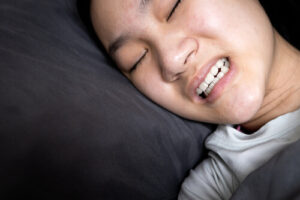
Although Botox is widely regarded as a safe and effective remedy for bruxism, like any medical treatment, it carries potential risks and side effects. Being aware of these can assist patients in making well-informed choices about their treatment options. Here are some of the potential risks and side effects associated with Botox injections for teeth grinding:
- Muscle Weakness: One of the most common side effects of Botox is temporary muscle weakness in the injected areas. This can affect how a patient chews and speaks, although these effects are typically mild and resolve as the Botox wears off.
- Injection-Related Side Effects: As with any injection, there is a risk of pain, swelling, bruising, and redness at the injection site. These side effects are usually minor and transient.
- Diffusion of Toxin: There is a small risk that Botox may spread from the injection site to surrounding muscles. This can lead to unwanted muscle weakness or paralysis in areas not intended to be treated.
- Allergic Reactions: Although rare, some individuals may experience allergic reactions to Botox. Symptoms can include itching, rash, red welts, asthma symptoms, or dizziness. If an allergic reaction is suspected, immediate medical attention is required.
- Asymmetry: Incorrect placement of Botox or varying reactions to the toxin can result in facial asymmetry, especially if the Botox affects muscles not intended to be treated.
- Long-term Effects: With repeated use, some individuals may develop resistance to Botox, reducing its effectiveness. Additionally, prolonged muscle inactivity might lead to tissue atrophy.
- Effectiveness: Not all patients experience complete relief from bruxism with Botox treatment, and the effectiveness can vary. Some may find only partial relief or need adjunct therapies to manage their symptoms fully.
Individuals considering Botox for teeth grinding should discuss these potential risks and side effects with a qualified healthcare provider. A thorough assessment can help ensure that the treatment plan is safe and tailored to the patient’s specific needs, maximizing benefits while minimizing risks.
Comparing Botox to Other Treatment Options for Bruxism
Botox is one of several treatments for managing teeth grinding or bruxism. To make an informed decision, comparing Botox with other common interventions is helpful. Here’s how Botox stacks up against other treatment options:
- Mouth Guards and Splints are often the first defense against teeth grinding. They form a protective barrier between the upper and lower teeth, preventing damage and alleviating pressure on the jaw. While mouthguards effectively protect the teeth and reduce symptoms, they do not address the underlying muscle activity as Botox does. Botox actively reduces muscle contractions, which can provide relief from the source of the problem.
- Behavioral Modifications: Techniques such as stress management, mindfulness, and biofeedback can help reduce bruxism by addressing some of its psychological triggers. These methods are non-invasive and can be quite effective, particularly for stress-induced bruxism. However, they require consistent effort and may not be effective for all individuals, especially those whose bruxism is not linked to stress.
- Medications: Some medications, such as muscle relaxants or drugs to manage anxiety, can be used to treat bruxism. These can help reduce muscle tension and prevent grinding episodes. However, they often come with side effects and may not be suitable for long-term use. Botox offers a more targeted approach with potentially fewer systemic effects.
- Dental Corrections: Adjusting the bite or correcting misaligned teeth through orthodontics can sometimes reduce teeth grinding by eliminating physical triggers. These treatments are more invasive and typically more expensive than Botox but can provide a permanent solution if misalignment is the cause of bruxism.
- Surgery: In severe cases, surgical interventions to modify or correct jaw structure may be considered. This is usually a last resort due to the risks and recovery time involved. Botox, being minimally invasive, presents a lower-risk alternative that can provide significant relief without the need for surgery.
Botox offers a unique combination of efficacy and minimal invasiveness, making it a compelling option for many who suffer from bruxism, particularly when other treatments have failed to provide relief or are unsuitable for other patients. As with any medical treatment, the best approach depends on the individual’s condition and needs. Consulting with a healthcare provider who can offer a comprehensive evaluation and treatment plan is crucial for anyone struggling with teeth grinding.
In conclusion, Botox for teeth grinding presents a promising solution for those struggling with bruxism. By targeting the muscles involved, Botox can significantly reduce symptoms, providing relief where other methods of cosmetic treatment may fall short. As with any treatment, it’s important to consult with a healthcare professional to understand the benefits and potential risks. Consider Botox a viable option for improving oral health and overall well-being.
References
Teeth grinding (bruxism) – NHS
https://www.nhs.uk/conditions/teeth-grinding/
Effect of botulinum toxin injection on nocturnal bruxism
https://pubmed.ncbi.nlm.nih.gov/19855255/
How to Stop Grinding Teeth at Night and During the Day
https://www.healthline.com/health/how-to-stop-grinding-teeth
From teeth grinding to sweaty palms, Botox can fix a lot more than wrinkles | Beauty | The Guardian
https://www.theguardian.com/fashion/2024/mar/29/from-teeth-grinding-to-sweaty-palms-botox-can-fix-a-lot-more-than-wrinkles
Bruxism (Teeth Grinding): Symptoms, Causes & Treatment
https://my.clevelandclinic.org/health/diseases/10955-teeth-grinding-bruxism