
Can bruxism and grinding, cause tinnitus? Many might wonder about the potential connection between these seemingly unrelated conditions. This article investigates whether the stress and strain of bruxism could indeed be a contributing factor to experiencing tinnitus. Join us as we delve into the medical insights and research findings that explore this intriguing link. Stay tuned to uncover how these two conditions might be more connected than you think.
Understanding Bruxism: What It Is and How It Affects You
Bruxism, commonly known as grinding teeth, is an often overlooked condition that can significantly impact one’s dental health. This detailed exploration sheds light on bruxism and how it affects individuals.
Definition and Occurrence: Bruxism involves the involuntary or habitual grinding of teeth and clenching of the jaw, commonly during sleep (sleep bruxism) and sometimes while awake (awake bruxism).
Symptoms and Consequences: Mild bruxism symptoms range from mild discomfort to severe jaw pain and damage to the temporomandibular joint (TMJ). Persistent bruxism can lead to tooth wear, increased tooth sensitivity, and changes in tooth structure.
Potential Causes: The exact causes are not well-defined but often include stress, anxiety, sleep disorders, and abnormal bite alignment.
Impact on Jaw and Ear Health: The continuous strain on the bottom jaw joint and facial muscles can cause complications such as temporomandibular joint disorder (TMD) and tinnitus symptoms, like ringing or buzzing in the ears.
Management and Treatment Options: Managing bruxism involves lifestyle adjustments such as stress reduction, using mouth guards to prevent teeth grinding, and, in severe cases, medical interventions like physical therapy or surgery.
Exploring the Link Between Bruxism and Tinnitus
The connection between bruxism, teeth grinding, and tinnitus, a condition often described as ringing in the ears, is intriguing yet complex. Both conditions may appear unrelated at first, but underlying anatomical and physiological links suggest that bruxism can indeed influence the occurrence of tinnitus. Here’s how they are connected:
Anatomical Proximity and Muscle Strain
Bruxism involves repetitive clenching and grinding of teeth, which exerts considerable pressure on the temporomandibular joint (TMJ), which is closely located in the middle and inner ear structures. The intense and prolonged muscle activity associated with bruxism can lead to muscle fatigue and spasms, specifically in the muscles adjacent to these ear structures.
This strain can indirectly affect the ear through disturbed muscle functions and tensions that may propagate to the ear region.
Impact on the Auditory System
The physical stress from bruxism can cause inflammation and tension in areas close to the auditory system, particularly the TMJ, which is only a few centimeters away from the ear canal and inner ear structures. This proximity means any inflammation or TMJ disorders can impact the ear, possibly triggering tinnitus symptoms.
Neurological Interactions
Tinnitus is often a symptom of the auditory nerve’s response to abnormal input, such as pressure or inflammation near the ear. The constant tension and pressure from bruxism can stimulate or irritate nerves shared between the jaw and the ear, including those involved in hearing.
This stimulation can lead to the perception of noise or ringing in your ears, which characterizes tinnitus.
Vascular Factors
Bruxism can also cause muscle pain and affect blood flow in the areas surrounding the TMJ and ears. Excessive muscle contractions can constrict blood vessels, affecting the oxygen supply to the nerve tissues in the region. This change in blood flow dynamics might contribute to the auditory symptoms experienced as tinnitus.
Psychological Stress
Stress can exacerbate both bruxism and tinnitus. Psychological stress is a common trigger for teeth grinding and is also associated with worsening bruxism tinnitus symptoms. The stress connection suggests that managing one condition could potentially alleviate the other, highlighting the intertwined nature of these disorders.
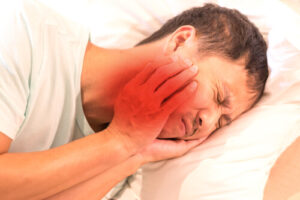
Diagnosing tinnitus potentially related to bruxism involves a multifaceted approach, utilizing various diagnostic tools and evaluations to understand the underlying causes and their interconnections. Here’s how healthcare professionals typically identify if bruxism is contributing to a patient’s tinnitus:
Clinical Evaluation:
- Patient History: A detailed medical and dental history is taken to identify symptoms of bruxism, such as jaw pain, frequent headaches, and teeth wear. Patients are also asked about their history of tinnitus, including when it started and any associated symptoms.
- Physical Examination: A thorough examination of the jaw, teeth, and temporomandibular joints (TMJ) helps assess any abnormalities, wear, or pain linked to bruxism. The ears are also examined for any signs that could explain tinnitus, such as earwax buildup or infections.
Specialized Diagnostic Tests:
- Audiological Exam: Comprehensive hearing tests are conducted to measure hearing sensitivity and identify hearing loss, often associated with tinnitus.
- TMJ Imaging: X-rays, MRI, or CT scans of the temporomandibular joints can help detect abnormalities or damages caused by bruxism that might impact the auditory system.
- Electromyography (EMG): This test measures the electrical activity in muscles, including those of the jaw. Elevated muscle activity during rest can indicate active bruxism.
Sleep Studies:
- Polysomnography: Sometimes, a sleep study may be recommended to observe sleep patterns, bruxism events, and muscle activity during sleep. This helps to confirm the diagnosis of sleep bruxism.
Assessing Stress and Anxiety Levels:
- Psychological Evaluation: Since stress and anxiety can contribute both to bruxism and tinnitus, psychological assessments might be used to evaluate these factors. Understanding the role of psychological stress can be crucial in forming an effective treatment plan.
Differential Diagnosis:
- Ruling Out Other Causes: It’s important to differentiate tinnitus linked to bruxism from tinnitus caused by other factors such as ototoxic medications, noise-induced hearing damage, or age-related hearing loss. This ensures that the treatment plan is appropriately targeted.
Collaborative Consultations:
- Multidisciplinary Approach: Often, diagnosing bruxism-related tinnitus requires collaboration between dentists, audiologists, and sometimes neurologists or psychologists to fully understand the scope of the symptoms and devise an effective management strategy.
Treatment Options for Bruxism to Potentially Alleviate Tinnitus
Treating bruxism effectively is key to potentially alleviating associated tinnitus. Here’s a look at various treatment options that can help manage bruxism and may reduce symptoms of tinnitus:
Dental Interventions:
- Mouthguards or Night Guards: Custom-fitted by a dentist, these devices are worn over the teeth during sleep to prevent grinding and reduce pressure on the jaw.
- Dental Correction: If bruxism is caused by misaligned teeth or an improper bite, corrective treatments such as braces, crowns, or orthodontics may be recommended to align the teeth properly and relieve stress on the jaw.
Physical Therapy:
- Jaw Exercises: Specific exercises can strengthen jaw muscles, improve mobility, and encourage proper alignment, reducing the strain contributing to bruxism and tinnitus.
- Manual Therapy: Techniques like massage and mobilization of the jaw and neck can help relieve muscle tension and improve function.
Medications:
- Muscle Relaxants: Short-term use of muscle relaxants can help reduce muscle activity in the jaw, decreasing grinding and clenching at night.
- Pain Relievers: Over-the-counter or prescription pain medications can help manage pain and inflammation associated with bruxism.
Stress Management:
- Cognitive Behavioral Therapy (CBT): This therapy can be effective in managing the stress and anxiety that often contribute to bruxism.
- Relaxation Techniques: Techniques such as mindfulness, meditation, and yoga can reduce overall stress levels, potentially decreasing the frequency and intensity of bruxism.
Lifestyle Adjustments:
- Sleep Hygiene Improvements: Establishing a regular sleep schedule and creating a calming bedtime routine can improve sleep quality and reduce bruxism.
- Avoiding Stimulants: Reducing intake of caffeine and alcohol, especially in the evening, can decrease bruxism and improve sleep quality.
Biofeedback:
- Electronic Monitoring: Biofeedback uses electronic instruments to teach patients how to control certain body functions and responses, such as muscle tension, to reduce bruxism.
Sound Therapy:
- Tinnitus Management: For those whose bruxism is linked to tinnitus, sound therapy can help mask the ringing or buzzing sounds, providing relief.
If you’re grappling with the question, can bruxism cause tinnitus? it’s important to understand the potential link between these conditions. While bruxism primarily impacts oral health, its effects can extend to causing tinnitus in some individuals. Addressing teeth grinding through targeted treatments not only protects your dental health but may also alleviate tinnitus symptoms. Consult a healthcare professional to explore effective strategies tailored to your needs.
References
Bruxism (Teeth Grinding): Symptoms, Causes & Treatment
https://my.clevelandclinic.org/health/diseases/10955-teeth-grinding-bruxism
Clinical evaluation of tinnitus in patients with sleep bruxism
https://pubmed.ncbi.nlm.nih.gov/16202044/
Tinnitus: What to do about ringing in the ears – Harvard Health
https://www.health.harvard.edu/blog/tinnitus-what-to-do-about-ringing-in-the-ears-201109263412
Bruxism Management: Overview, Definition, Etiology
https://emedicine.medscape.com/article/2066277-overview
Causes | American Tinnitus Association
https://www.ata.org/about-tinnitus/why-are-my-ears-ringing/causes/