
Sleep apnea is a serious and common sleep disorder that affects millions of people worldwide. It involves repeated interruptions in breathing during sleep, which can lead to health problems if left untreated. The most common form of sleep apnoea is obstructive sleep apnoea (OSA), where the airway becomes blocked during sleep, leading to pauses in breathing. Another type is central sleep apnoea, which occurs when the brain fails to send the correct signals to the muscles responsible for breathing. The severity of sleep apnea can vary, and various treatment options are available to help manage the condition and improve quality of life. This comprehensive guide will explore various sleep apnoea treatment options, diagnostic methods, and lifestyle changes that can help individuals manage this condition.
Understanding Sleep Apnoea
What is Sleep Apnoea?
Sleep apnea occurs when a person’s breathing repeatedly stops and starts during sleep. These interruptions can last a few seconds to minutes and may occur several times an hour. The condition can lead to low oxygen levels in the blood, increased blood pressure, and disrupted sleep. The most common type, obstructive sleep apnea (OSA), occurs when the muscles in the throat relax excessively during sleep, obstructing the airway and preventing the person from breathing properly.
Types of Sleep Apnoea
Sleep apnea is a serious medical condition that can have far-reaching consequences if left untreated. It involves repeated interruptions in breathing during sleep, which can lead to various health problems. Based on its underlying cause and the nature of the breathing interruptions, sleep apnea can be classified into different types. Understanding these types is critical for effectively diagnosing, treating, and managing sleep apnea.
This section will discuss the three primary types of sleep apnoea: obstructive sleep apnoea (OSA), central sleep apnoea, and complex sleep apnoea. Each type has distinct characteristics, causes, and treatment options. Knowing the differences between these types can help you seek the appropriate care and prevent further complications associated with sleep apnea.
1. Obstructive Sleep Apnoea (OSA)
Obstructive sleep apnea (OSA) is the most common and well-known. It occurs when the muscles in the throat relax excessively during sleep, causing a temporary blockage of the upper airway. This obstruction prevents air from entering the lungs, leading to a pause in breathing that can last for several seconds or even minutes. These interruptions can occur hundreds of times throughout the night, leading to fragmented sleep and reduced oxygen levels in the blood.
2. Central Sleep Apnoea
 Central sleep apnea is less common than obstructive sleep apnea (OSA), but it can be just as serious. This type of sleep apnea occurs when the brain fails to send the correct signals to the muscles responsible for breathing. Unlike OSA, which involves a physical airway obstruction, central sleep apnea is a central nervous system problem.
During central sleep apnoea, the brain temporarily stops, signalling the muscles to breathe, causing breathing to cease. This can lead to drops in blood oxygen levels, which can be dangerous if left untreated.
3. Complex Sleep Apnoea
Complex sleep apnoea, also known as treatment-emergent central sleep apnoea, combines both obstructive and central sleep apnoea. This type of apnoea is typically seen in patients undergoing treatment with a CPAP machine for obstructive sleep apnea but then begin experiencing episodes of central sleep apnoea. These patients may have symptoms of both types of sleep apnoea, including gasping, choking, and irregular breathing during sleep.
Symptoms of Sleep Apnoea
Sleep apnea is a condition that can severely impact one’s health and quality of life if left untreated. The hallmark of sleep apnea is disrupted breathing during sleep, which can occur repeatedly throughout the night. However, recognizing the symptoms early can significantly affect one’s ability to manage the condition and avoid complications. The symptoms of sleep apnea vary in severity and can range from mild snoring to more serious signs such as choking or gasping for air.
This section will explore the various symptoms of sleep apnea, including signs of both obstructive sleep apnea (OSA) and central sleep apnea. Understanding these symptoms is crucial in diagnosing and effectively treating sleep apnea. Early detection can also prevent more severe complications, such as severe sleep apnea, and improve treatment outcomes.
1. Loud and Persistent Snoring
Snoring is one of the most common and noticeable symptoms of obstructive sleep apnea (OSA). It occurs when the muscles at the back of the throat relax too much, partially blocking the upper airway. This causes vibrations in the throat tissues, producing the characteristic snoring sound.
However, not all people who snore have sleep apnea. Snoring can also be a symptom of mild obstructive sleep apnoea. Still, if it is accompanied by other symptoms, such as choking or gasping, it is more likely to indicate the presence of this condition.
2. Gasping or Choking During Sleep
One of the more alarming symptoms of sleep apnoea is the experience of gasping for air or choking during sleep. This happens when the airway becomes completely blocked, causing breathing to stop for several seconds or even minutes. The body then reacts by waking the person up briefly to resume normal breathing.
These episodes can occur numerous times throughout the night without the individual being fully aware. As a result, a person may wake up feeling restless or fatigued, even after a full night of sleep. Gasping for air is a key symptom of obstructive sleep apnoea, but it can also occur in central sleep apnoea when the brain fails to signal the muscles to breathe.
3. Excessive Daytime Sleepiness and Fatigue
Due to the constant interruptions in sleep caused by sleep apnea, many individuals feel excessively sleepy during the day, even after a full night of rest. This is known as daytime sleepiness. People with severe sleep apnea may struggle to stay awake while performing everyday tasks like driving, working, or conversing with others.
The frequent wake-ups during the night prevent the body from entering the deeper stages of restorative sleep, leaving you tired, groggy, and unable to focus. Daytime sleepiness is one of the most significant symptoms of moderate sleep apnoea and can affect all areas of a person’s life.
4. Difficulty Concentrating and Memory Problems
Due to a lack of quality sleep, individuals with sleep apnea often experience cognitive difficulties, such as trouble concentrating, poor memory, and mental fatigue. Constant sleep disruptions prevent the brain from going through its normal rest and repair cycles, impairing memory and concentration.
This symptom is particularly pronounced in people with mild sleep apnea, where breathing interruptions are less frequent but still enough to disrupt normal cognitive functions. Treating sleep apnea with positive airway pressure (PAP) can help improve focus and memory by restoring normal sleep patterns.
5. Waking Up with a Dry Mouth or Sore Throat
A common symptom of sleep apnoea is waking up with a dry mouth or sore throat. This happens when people breathe through their mouths during sleep, particularly if their nasal passages are blocked due to congestion or other issues. The constant opening of the mouth to breathe can cause the throat to dry out and become irritated.
This symptom is more common in people with obstructive sleep apnoea because the airway becomes temporarily blocked, forcing the person to breathe through the mouth. If you experience a dry mouth or sore throat upon waking, it could be a sign that you struggle to breathe properly during sleep.
6. High Blood Pressure (Hypertension)
Sleep apnea, particularly obstructive sleep apnea, can contribute to the development of high blood pressure or worsen existing hypertension. The repeated drops in blood oxygen levels during apneic events place additional strain on the cardiovascular system, increasing blood pressure and putting individuals at greater risk for heart disease, stroke, and other cardiovascular issues.
Patients with moderate sleep apnea or more severe forms of the disorder should be closely monitored for blood pressure issues. Positive airway pressure therapy, such as CPAP or BiPAP, can help alleviate this symptom by improving the consistency of breathing during sleep and reducing the strain on the heart and blood vessels.
7. Frequent Nighttime Urination (Nocturia)
Nocturia, or the need to urinate frequently during the night, is a common symptom of sleep apnoea. The frequent drops in blood oxygen levels cause the body to produce more urine as a response. This can disturb sleep and lead to multiple trips to the bathroom during the night.
This symptom is often overlooked as a sign of sleep apnoea. Still, combined with other symptoms like daytime sleepiness, snoring, and choking episodes, it can be an important indicator of the condition.
8. Restless Sleep and Insomnia
People with sleep apnea may experience disturbed, restless sleep due to the frequent awakenings caused by airway obstruction. These interruptions prevent individuals from reaching the deeper stages of sleep, leading to feelings of unrest and discomfort. This condition can result in symptoms of insomnia, as the body’s natural sleep cycles are constantly interrupted.
Restless sleep is a key symptom for those with mild obstructive sleep apnea, who may not be fully aware of their breathing interruptions but still experience poor sleep quality. If left untreated, this condition can progress to more severe forms.
9. Decreased Libido and Sexual Dysfunction
Sleep apnea can affect the hormones and energy levels necessary for a healthy libido. Many individuals with sleep apnoea report a reduced interest in sex, as the condition can lead to fatigue and physical exhaustion. Additionally, untreated sleep apnoea has been linked to hormonal imbalances and a decrease in testosterone levels, which can also affect sexual function in both men and women.
This symptom is often overlooked but can have a significant impact on the quality of life for individuals with moderate sleep apnoea or more severe cases. Treating sleep apnoea with therapies like CPAP can help improve energy levels and overall well-being, leading to a better sexual health outcome.
10. Increased Risk of Accidents
People with untreated sleep apnea are at a higher risk of accidents, particularly due to daytime sleepiness and impaired concentration. Sleep deprivation caused by frequent wake-ups during the night can impair reaction times and decision-making abilities, increasing the likelihood of accidents, especially when driving or operating machinery.
If you experience frequent daytime sleepiness or find it hard to stay awake and alert during the day, it is crucial to seek medical advice and consider diagnosing sleep apnea. Treating obstructive or central sleep apnoea can improve alertness and reduce the risk of accidents.
Diagnosing Sleep Apnoea
The Role of a Sleep Specialist
A sleep specialist plays a crucial role in diagnosing sleep apnea. If you suspect the condition, it’s important to consult a sleep specialist who can assess your symptoms and medical history and conduct a physical examination. The specialist may recommend a sleep study (polysomnography) to monitor your breathing patterns, heart rate, oxygen levels, and brain activity during sleep.
Home Sleep Apnoea Testing
In some cases, home sleep apnea testing may be recommended. This involves using a portable device to monitor your breathing patterns, heart rate, and blood oxygen levels while you sleep at home. Home testing is less comprehensive than a sleep study conducted in a lab, but it can provide valuable insights into whether sleep apnea is present.
Treatment Options for Sleep Apnoea
1. Continuous Positive Airway Pressure (CPAP)
 One of the most common and effective treatments for obstructive sleep apnoea is Continuous Positive Airway Pressure (CPAP) therapy. A CPAP machine delivers a continuous flow of air pressure through a mask that keeps the airways open during sleep. This ensures the airway remains unobstructed and breathing continues smoothly throughout the night.
CPAP machines are available in different models, including the standard and bilevel positive airway pressure (BiPAP) machines. While the CPAP machine provides a constant stream of air, the BiPAP machine delivers air at two different pressures—one for inhalation and a lower one for exhalation. CPAP machines are highly effective for treating sleep apnoea, and many people report improved sleep quality and daytime alertness after starting therapy.
However, some people may find it difficult to tolerate CPAP due to discomfort or difficulty sleeping with the mask. In these cases, alternative treatment options may be considered.
2. Oral Appliances
Oral appliances, custom-made by a dentist or orthodontist, may be a viable treatment option for obstructive sleep apnea. These devices reposition the lower jaw and tongue to keep the airway open during sleep. They are less invasive than CPAP therapy and are particularly effective for individuals with mild or moderate sleep apnea.
3. Lifestyle Changes
Lifestyle changes can help reduce the severity of sleep apnea and improve overall health. These changes may include:
- Weight loss: Losing weight can significantly improve sleep apnoea symptoms, particularly in people with severe sleep apnoea or obesity.
- Avoiding alcohol and sedatives: These substances relax the muscles in the throat, increasing the likelihood of airway obstruction during sleep.
- Sleeping on your side: Sleeping on your back can treat sleep apnea, so switching to side sleeping may help prevent airway collapse.
- Quitting smoking: Smoking can increase inflammation and fluid retention in the upper airway, worsening sleep apnoea symptoms.
- Exercise: Regular exercise can help improve sleep quality and contribute to weight loss.
4. Nasal Surgery
In some cases, nasal surgery may be recommended to treat sleep apnea, particularly if an anatomical issue, such as a deviated septum or nasal polyps, contributes to the condition. Surgery can help improve airflow through the nasal passages and reduce the frequency of apneic episodes.
5. Surgical Options
For individuals with severe obstructive sleep apnoea, surgery may be necessary to remove excess tissue from the throat or to reposition the jaw. Surgical options include:
- Uvulopalatopharyngoplasty (UPPP): This procedure involves removing excess tissue from the throat, including the uvula and parts of the soft palate.
- Genioglossus advancement: This procedure repositions the tongue muscle attachment to prevent airway collapse.
- Maxillomandibular advancement involves repositioning the upper and lower jaw to enlarge the airway and improve breathing.
Surgery is usually considered a last resort when other treatments have failed to provide adequate relief.
6. Treatment for Central Sleep Apnoea
Central sleep apnoea is less common but requires different treatment approaches. Bilevel-positive airway pressure (BiPAP) machines are sometimes used to regulate breathing. In more severe cases, adaptive servo-ventilation (ASV) or positive pressure therapy might be recommended to stimulate breathing.
Long-Term Management and Monitoring
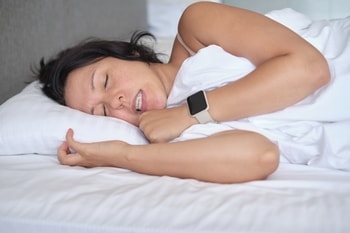 Treating severe sleep apnea requires ongoing management and monitoring for many individuals with sleep apnea. Regular follow-up visits with a sleep specialist are important to ensure the treatment is working effectively and to make adjustments as needed. If you use a CPAP machine, your doctor may monitor your compliance with the treatment and adjust the settings to improve comfort and effectiveness.
In addition, lifestyle changes such as maintaining a healthy weight, avoiding alcohol and smoking, and staying active are crucial for preventing sleep apnea long-term.
Conclusion
Sleep apnoea treatment is essential for improving quality of life and reducing the risks associated with untreated sleep apnoea, such as cardiovascular issues, high blood pressure, and daytime fatigue. Various treatment options are available, from CPAP therapy and oral appliances to lifestyle changes and surgical procedures. A personalized treatment plan tailored to your needs is key to effectively managing sleep apnea. Working closely with a sleep specialist can help you find the most appropriate treatment for your condition and improve your overall health and well-being.
By taking proactive steps and seeking timely treatment, you can manage your sleep apnoea and enjoy better sleep, improved health, and a more active lifestyle.
References
https://my.clevelandclinic.org/health/diseases/8718-sleep-apnea
https://www.nhlbi.nih.gov/health/sleep-apnea/treatment
https://www.mayoclinic.org/diseases-conditions/sleep-apnea/diagnosis-treatment/drc-20377636